



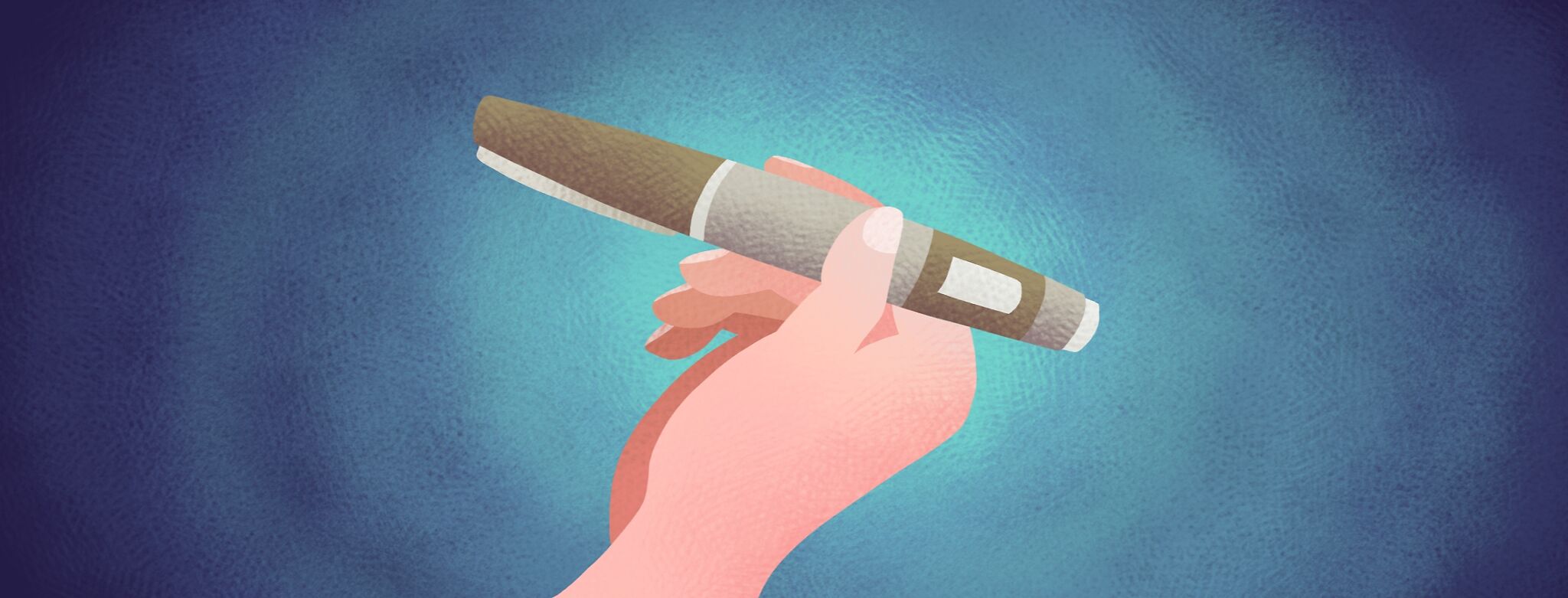
Why I Finally Chose a GLP-1, Even When I Swore I Never Would

For most of my life, I’ve carried weight physically, yes, but also emotionally. Obesity was never just something I “had.” It became woven into my identity in ways I never asked for. It ended up shaping my confidence, my energy, my health, and my relationship with myself…quite honestly, it shaped my life. And if you’re reading this because you’re walking a similar path, I want you to know this from the start: you’re not weak, you’re not lazy, and most importantly - you’re not alone.
Moving past the cycle of self-blame
My story is unique, as it is my own. It didn’t begin with some dramatic opening. My story began quietly, with years of fighting my own body. I tried every plan, every fad diet, every detox or reset, and every single piece of advice thrown at people like me, obese. Every time something didn’t work, the world told me it was my fault. That eventually led to me telling myself it was my fault.
It took me decades of self-blame and self-doubt to understand that obesity is not a flaw—it’s a chronic condition. It is a disease that affects your hunger cues, your liver, your hormones, your metabolism, and your mind. By the time I learned that, the consequences had already started showing up in my body and bloodwork.

Facing a health crisis and fighting for medical access
When I was diagnosed with stage 3 steatosis, I felt the kind of fear that sits in your chest and doesn’t move. It’s the fear that whispers: If you don’t do something now, things could get worse. I wasn’t diabetic, not even prediabetic - my blood sugar was never troublesome. On paper, my labs looked good… but my liver told a different story. And because of that mismatch, my insurance refused to cover the weight management medication my doctors believed could help protect my liver and improve my metabolic health.
For a while, I sat with the denial of not only my insurance, but denial of my own making. I had always sworn I would never use a GLP-1 for obesity. I didn’t want to “cheat.” I didn’t want people to think I “took the easy way out.” I didn’t want that label; another stigma attached to my name and my body.
Choosing a GLP-1 for obesity as a tool for healing
But, listen and listen close. There comes a point where the fear of being misunderstood becomes smaller than the fear of losing your health. That’s when I decided to look into telehealth providers, because I realized that I deserved access to the obesity treatments my body clearly needed. It was in that moment that I realized something important: accepting help isn’t weak. It’s courageous. It’s powerful. And in some cases, it’s necessary.
The first couple of weeks on a GLP-1 agonist were eye-opening. It wasn’t magic—it was relief. Even though I was still in the loading dose period, I wasn’t fighting my own body every second of the day. The constant food noise felt calmer. My cravings were softening. The chaos in my head around food quieted. I could think clearly. I could breathe. I could finally put my energy toward healing instead of battling my biology.
Using weight loss medication as a temporary reset
As of right now, I don’t see this medication as a forever commitment. I see it as a temporary assist — a period of time where my body gets the chance to reset. By using a GLP-1 for obesity, I am building a healthier, more stable foundation. I’m learning what balance feels like, what true hunger feels like, what listening to my body actually means. I’m supporting my liver, improving my habits, nourishing my body, and rebuilding trust within myself: the body I spent years feeling betrayed by.
One day, when the timing is right, I intend to step away from the medication and transition to a lifestyle that supports me long-term without medication. Not because GLP-1s are bad—they are life changing and necessary to so many… but because my goal has always been to use this method of support to help me rewrite the next chapters of my health.
Reclaiming health and rejecting weight stigma
This journey isn’t simple. It definitely isn’t linear. And some days, it’s so heavy — especially for those of us navigating NAFLD, inflammation, weight stigma, or years of feeling unheard. But I must say, choosing to seek help, to try something new, and to put my health first… that’s an act of love toward myself.
Hear me clearly when I say: I deserve care. I deserve support. I deserve tools that work for my body. And I deserve to heal without apologizing for it. I hope my story makes you feel a little less alone in yours. And I hope it reminds you that choosing help isn’t giving up—it’s making the decision to keep moving forward.
Join the conversation